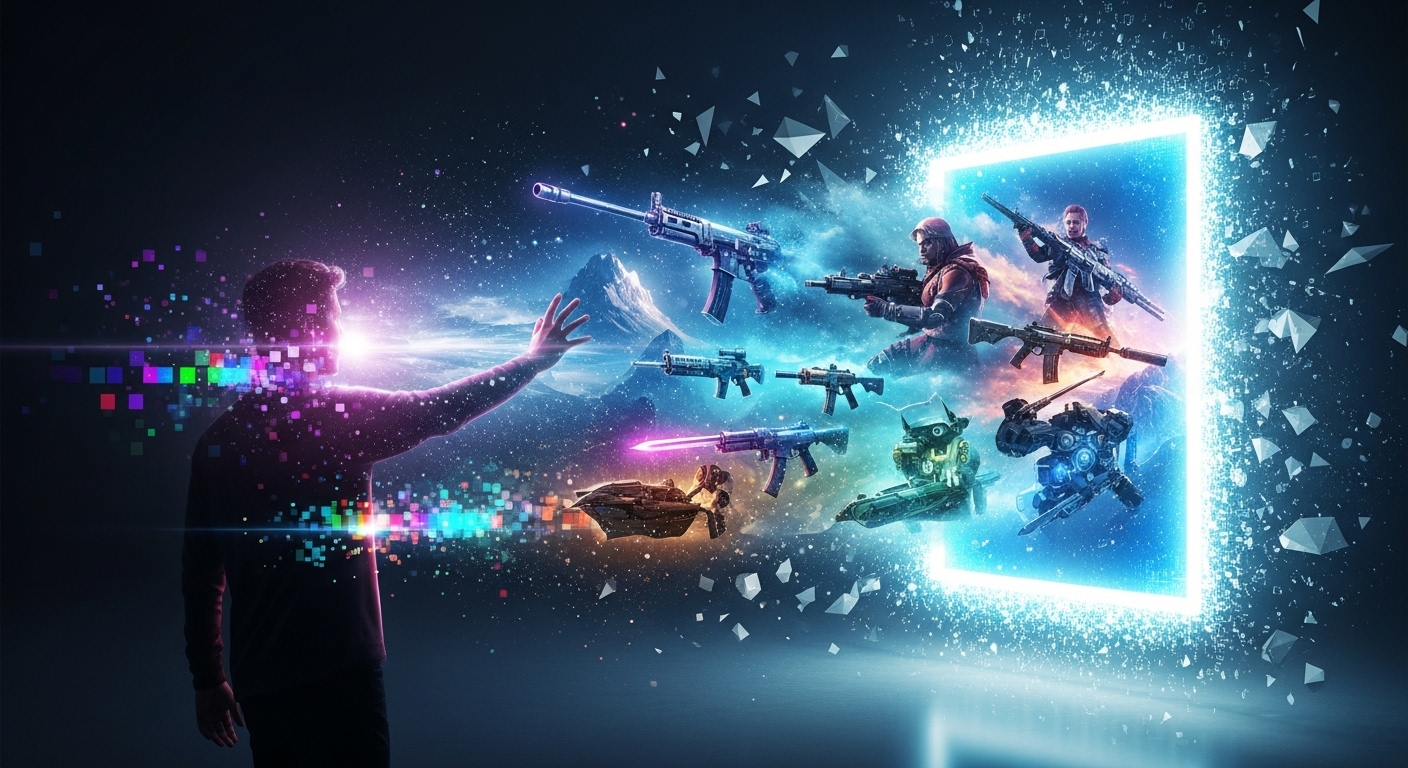





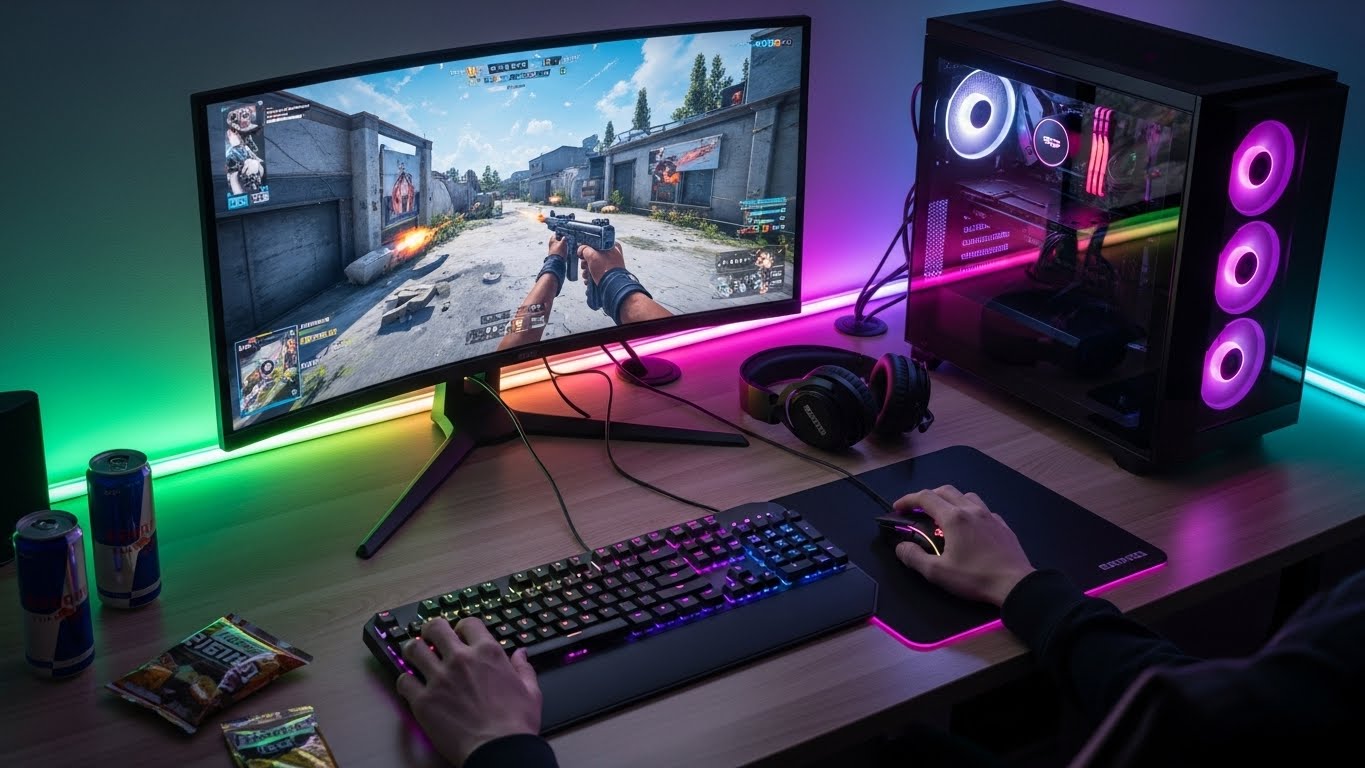
Gaming has evolved from a simple pastime into a global phenomenon that influences entertainment, technology, and even social interactions. From humble beginnings with pixelated screens to immersive virtual worlds and competitive esports arenas, gaming has become an integral part of modern culture. Today, millions of people worldwide engage with games on consoles, PCs, and mobile devices, making the industry a driving force in the entertainment sector.
The Evolution of Gaming
Gaming has come a long way since the early days of arcade machines and simple console games. The first video games, created in the 1970s, were basic in design and limited in interactivity. Titles such as Pong and Space Invaders captured players’ imaginations but lacked the complexity of modern games.
The 1980s and 1990s introduced home consoles and more advanced graphics, enabling richer storytelling and gameplay mechanics. Iconic franchises such as Super Mario, The Legend of Zelda, and Final Fantasy became cultural touchstones, establishing gaming as a legitimate form of entertainment. The introduction of online multiplayer gaming in the late 1990s marked a turning point, allowing players to connect and compete globally.
In the 21st century, technological advancements like high-definition graphics, motion controls, and virtual reality have transformed the gaming landscape. Today, gaming is no longer limited to children or hobbyists; it is a diverse and inclusive industry with audiences spanning all ages and backgrounds.
Types of Gaming
Gaming is a broad category that encompasses many forms, each appealing to different types of players. Understanding these categories helps explain why gaming has become such a significant cultural and economic force.
Console Gaming
Console gaming remains one of the most popular forms of gaming. Modern consoles, such as the PlayStation, Xbox, and Nintendo Switch, offer high-quality graphics, immersive gameplay, and exclusive titles. Console games often emphasize story-driven experiences, competitive multiplayer modes, and innovative control systems. The tactile experience of holding a controller and playing on a large screen continues to attract millions of dedicated gamers.
PC Gaming
PC gaming is known for its versatility and performance. Unlike consoles, personal computers allow for hardware customization, enabling players to maximize graphics, frame rates, and processing power. PC gaming also provides access to a wide range of genres, including first-person shooters, real-time strategy games, and massively multiplayer online role-playing games. Platforms like Steam and Epic Games Store have revolutionized how players purchase and interact with games, offering instant downloads, updates, and community features.
Mobile Gaming
Mobile gaming has exploded in popularity due to the accessibility of smartphones and tablets. Casual games like puzzle apps and endless runners appeal to broad audiences, while more complex mobile titles, including strategy and multiplayer games, offer experiences comparable to consoles. Mobile gaming has democratized access to games, allowing players to engage anywhere and at any time. The freemium model, where games are free to play but offer in-app purchases, has proven highly profitable for developers.
Virtual Reality and Augmented Reality Gaming
Virtual reality (VR) and augmented reality (AR) gaming represent the cutting edge of digital play. VR games immerse players in fully interactive 3D environments, often requiring physical movement and specialized headsets. AR games overlay digital elements onto the real world, enhancing everyday experiences with interactive content. These technologies offer new ways to engage with games, blurring the line between reality and virtual entertainment.
Esports and Competitive Gaming
Esports has transformed gaming into a spectator sport. Professional players and teams compete in global tournaments, drawing millions of viewers and generating significant revenue through sponsorships and media rights. Popular esports titles include League of Legends, Dota 2, and Counter-Strike: Global Offensive. Competitive gaming emphasizes strategy, teamwork, and skill, creating opportunities for players to pursue careers in an industry once considered purely recreational.
Why Gaming Appeals to People
Gaming appeals to a wide variety of people for several reasons, including entertainment, social interaction, and cognitive engagement.
Entertainment and Escapism
Games provide immersive experiences that allow players to escape from everyday life. Whether exploring fantastical worlds, solving intricate puzzles, or engaging in high-speed action, gaming offers a form of entertainment that is interactive and dynamic. Unlike passive media, games require participation, making the experience more engaging and memorable.
Social Connection
Online gaming has fostered new forms of social interaction. Multiplayer games and online communities allow players to connect with friends, meet new people, and collaborate on challenges. Social features such as chat, voice communication, and cooperative gameplay create a sense of belonging and shared purpose, enhancing the overall gaming experience.
Cognitive Benefits
Research suggests that gaming can provide cognitive benefits, including improved problem-solving, strategic thinking, and hand-eye coordination. Many games challenge players to make quick decisions, analyze patterns, and adapt to changing conditions, exercising mental agility. Puzzle games, strategy titles, and role-playing games often require critical thinking and long-term planning, offering more than just entertainment value.
Creative Expression
Gaming also serves as a platform for creative expression. Players can design characters, build virtual worlds, and create content for others to experience. Sandbox games and game mods allow users to experiment with game mechanics and storytelling, fostering creativity and innovation within digital spaces.
The Economic Impact of Gaming
The gaming industry is a multi-billion-dollar sector that contributes significantly to global economies. Revenue streams include game sales, downloadable content, in-app purchases, subscription services, and esports events. Major game publishers invest heavily in research, development, marketing, and technology, creating jobs in programming, design, marketing, and community management.
Gaming also drives technological innovation. High-performance graphics cards, virtual reality headsets, and advanced software tools developed for gaming often have applications beyond entertainment, benefiting industries such as healthcare, education, and engineering.
Challenges Facing the Gaming Industry
Despite its growth, the gaming industry faces challenges that developers, players, and regulators must navigate.
Addiction and Screen Time
Excessive gaming can lead to addiction, impacting mental health, social relationships, and physical well-being. Responsible gaming practices, including time management and parental controls, are essential to mitigate these risks.
Diversity and Inclusion
The industry has faced criticism for a lack of diversity in game content and workplace representation. Efforts to create inclusive narratives, characters, and communities are ongoing, but there is still progress to be made to ensure gaming is welcoming for all players.
Regulation and Safety
Online gaming platforms must address issues related to privacy, cybersecurity, and fair play. Protecting user data and maintaining safe environments for players, particularly minors, is a growing concern. Regulations vary by region, and developers must navigate complex legal landscapes to operate responsibly.
Market Competition
With the rapid growth of the industry, competition is intense. Developers must balance innovation with player satisfaction while differentiating themselves in a crowded market. Standing out requires creativity, quality, and a strong understanding of audience preferences.
The Future of Gaming
The future of gaming promises even greater innovation and integration with everyday life. Emerging technologies such as artificial intelligence, cloud gaming, and blockchain are set to redefine how games are developed, distributed, and experienced.
Cloud gaming allows players to stream games directly to devices without high-end hardware, making high-quality gaming more accessible. Artificial intelligence enhances gameplay, creating adaptive enemies, realistic environments, and personalized experiences. Blockchain technology introduces concepts such as digital ownership, rare in-game assets, and secure marketplaces, giving players more control over their virtual possessions.
Social integration will also continue to shape the future of gaming. Cross-platform play, interactive live streaming, and collaborative game design will foster global communities and shared experiences. The line between gaming, entertainment, and social media will blur, creating an interconnected digital ecosystem.
Conclusion
Gaming has evolved into a multi-faceted cultural and economic phenomenon. It provides entertainment, fosters social connections, stimulates cognitive development, and drives technological innovation. From consoles and PCs to mobile devices and virtual reality, gaming has something for everyone, offering experiences that are engaging, interactive, and often transformative.
As the industry continues to grow and evolve, it will play an increasingly significant role in shaping entertainment, technology, and culture. The future of gaming is bright, promising new experiences, greater accessibility, and deeper connections between players around the world. In this modern era, gaming is not just a hobby—it is a powerful force that reflects creativity, community, and the endless possibilities of digital play.