




Introduction: Gaming as a Global Phenomenon
Gaming has grown into one of the most influential forms of entertainment in the modern era. No longer confined to arcades or home consoles, gaming now spans mobile devices, computers, and immersive virtual environments. With millions of players worldwide and billions of dollars in revenue, gaming has become a cultural force that impacts art, technology, and social interaction.
The appeal of gaming lies in its ability to combine fun, challenge, and creativity. Players are not only entertained but also engaged in strategic thinking, problem-solving, and collaboration. Gaming has evolved beyond a simple pastime into a platform that fosters personal growth, community building, and even professional opportunities.
The Evolution of Gaming
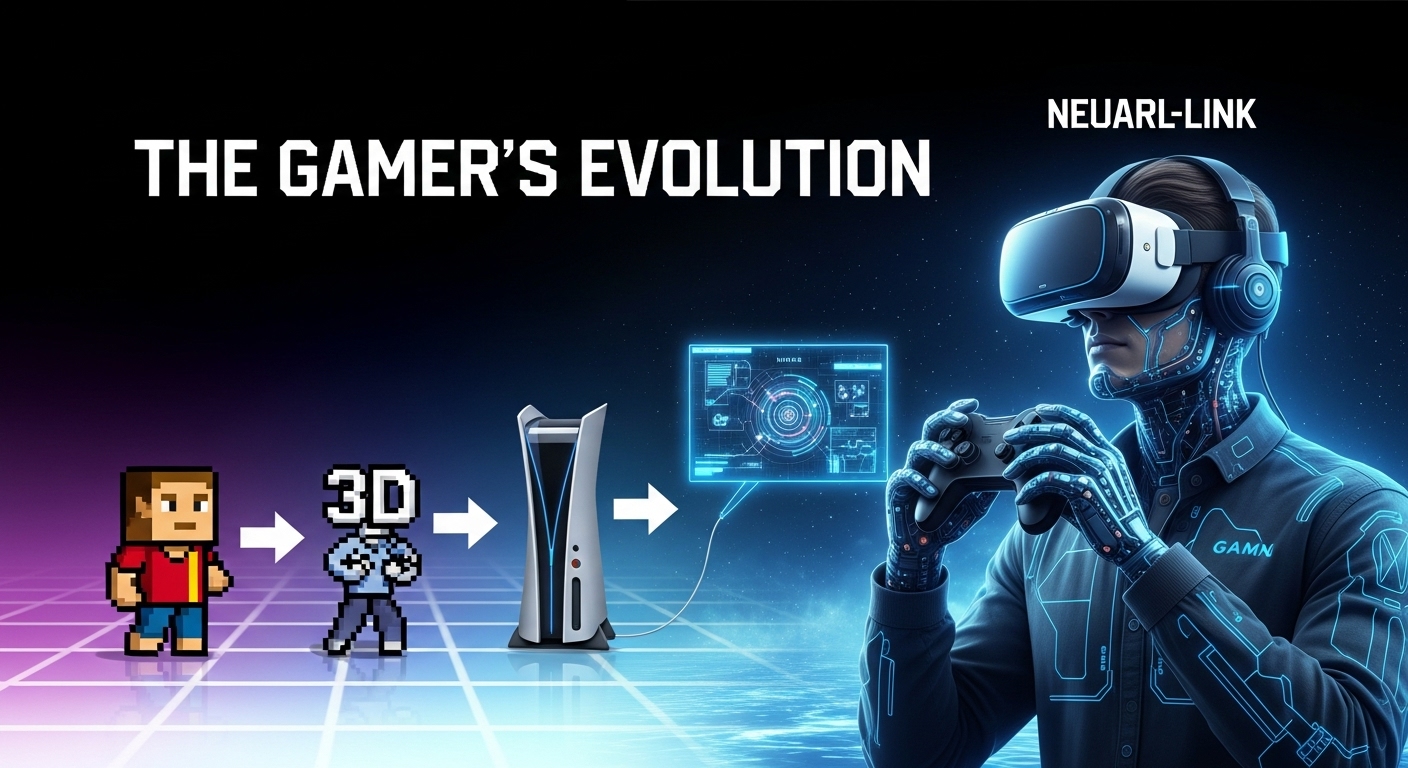
The history of gaming dates back to the 1970s when arcade machines like Pong and Space Invaders first captured public attention. These simple games laid the foundation for competitive and recreational gaming, attracting players of all ages.
During the 1980s and 1990s, home consoles such as the Nintendo Entertainment System and Sega Genesis introduced more complex gameplay and storytelling. Multiplayer experiences emerged, allowing players to compete or cooperate in the same physical space.
The rise of personal computers and the internet in the late 1990s and early 2000s transformed gaming into a global phenomenon. Online multiplayer games enabled players to connect across continents, paving the way for esports and digital communities. Today, gaming includes virtual reality, augmented reality, and cloud-based platforms, offering experiences that were once unimaginable.
Types of Games
Gaming is diverse, catering to a variety of preferences and skills. The main genres include:
- Action and Adventure Games: These games challenge players with exploration, combat, and problem-solving. Titles often combine intricate storytelling with physical skill, offering immersive experiences.
- Role-Playing Games (RPGs): RPGs allow players to assume the roles of characters in expansive worlds. Players develop skills, make strategic choices, and influence the narrative, fostering creativity and critical thinking.
- Strategy Games: Games like Civilization and StarCraft emphasize resource management, planning, and tactical decision-making. Players must think several steps ahead to succeed.
- Simulation Games: These games replicate real-world scenarios, from city building to managing a farm. They teach planning, management, and creativity in a controlled digital environment.
- Sports and Racing Games: Digital recreations of real sports and racing challenges allow players to experience competition and improve reflexes, strategy, and coordination.
- Casual and Mobile Games: These games are accessible to all ages and skill levels. They provide short, engaging gameplay that is perfect for relaxation and entertainment.
Each type of game offers unique challenges and rewards, appealing to different personalities and skill sets.
Cognitive Benefits of Gaming
Gaming is often dismissed as mere entertainment, but research has shown significant cognitive benefits. Games enhance problem-solving abilities, strategic thinking, and decision-making skills. Puzzle and strategy games, in particular, improve memory, logic, and planning.
Action games sharpen reflexes and hand-eye coordination, while multiplayer games enhance social and communication skills. Even casual games provide mental stimulation, requiring attention, pattern recognition, and adaptability. By engaging players in complex tasks and scenarios, gaming acts as a cognitive exercise that strengthens the mind.
Gaming as Social Experience
Modern gaming is inherently social. Online multiplayer platforms connect players globally, creating communities and collaborative networks. Friends can team up to complete challenges, while strangers often form bonds through cooperative play.
These digital interactions foster social skills, teamwork, and communication. Competitive environments like esports tournaments also create shared experiences, building loyalty and camaraderie among fans. Gaming communities serve as cultural hubs where people exchange ideas, strategies, and creativity.
The Entertainment Value of Gaming
Gaming is a primary source of entertainment for millions worldwide. Narrative-driven games rival movies and books in storytelling quality, offering players immersive experiences that engage emotionally and intellectually. Open-world and sandbox games provide freedom, allowing players to explore, create, and interact with dynamic environments.
Streaming and content creation have amplified the entertainment value of gaming. Platforms now allow players to watch live gameplay, learn strategies, and engage with personalities who share their passion. This interaction creates a participatory form of entertainment where audiences are actively involved rather than passive spectators.
Gaming and Education
Beyond entertainment, gaming has educational potential. Educational and “serious” games teach subjects such as mathematics, science, and history through interactive experiences. Learning through gaming is engaging, motivating, and often more effective than traditional methods.
Even mainstream games promote critical skills. Strategy games enhance planning and resource management, while role-playing games encourage reading comprehension, narrative analysis, and ethical decision-making. Simulation games teach real-world skills like management, finance, and coordination. Gaming can thus be a tool for personal growth and lifelong learning.
Economic Impact of Gaming
Gaming is a multibillion-dollar global industry. Revenue streams include game development, hardware sales, subscriptions, digital marketplaces, merchandise, and live events. Esports, in particular, has grown into a professional sector with players earning salaries, sponsorships, and tournament winnings.
Streaming platforms allow content creators to monetize gameplay while building loyal audiences. Conventions, merchandise, and online marketplaces further drive economic growth. Gaming has also fostered entrepreneurial opportunities, from independent game development to professional coaching and esports management.
Technology Driving Gaming Innovation
Technological advancements have transformed gaming experiences. High-performance hardware and sophisticated software engines allow for realistic graphics, fluid gameplay, and interactive worlds. Artificial intelligence and machine learning create adaptive challenges, making games increasingly engaging and unpredictable.
Virtual reality and augmented reality provide immersive experiences that allow players to step into digital worlds. Cloud gaming expands accessibility, allowing high-quality experiences without advanced hardware. Technology ensures that gaming continues to evolve, creating new forms of interactivity and engagement.
Mental Health and Gaming
Gaming, when balanced, can support mental health. It provides stress relief, relaxation, and a sense of accomplishment. Cooperative gameplay fosters social interaction, reducing feelings of isolation. Games that challenge players cognitively can improve focus, resilience, and problem-solving skills.
However, excessive gaming can be detrimental. It can disrupt sleep, reduce physical activity, and negatively impact social life. Responsible gaming, with moderation and healthy lifestyle habits, ensures that players reap benefits without adverse effects.
Cultural Influence of Gaming
Gaming has become a significant cultural force. It shapes trends in music, art, storytelling, and fashion. Iconic games inspire fan art, cosplay, and online communities that celebrate creativity and personal expression.
Gaming also fosters inclusivity. People of all ages, genders, and backgrounds can participate and find community. Competitive gaming, esports, and online tournaments provide global platforms for talent recognition and cultural exchange. Gaming reflects contemporary culture while influencing it, creating a feedback loop of inspiration and innovation.
The Future of Gaming
The future of gaming is bright and full of potential. Advancements in virtual and augmented reality will deepen immersion, while artificial intelligence will create dynamic and adaptive gameplay. Cloud technology and mobile platforms will make gaming more accessible than ever.
Education and professional development may integrate gaming as a tool for learning and skill-building. The social aspects of gaming will continue to grow, connecting global communities and fostering collaboration. Gaming is poised to become even more than entertainment—it will shape culture, creativity, and human interaction in the digital age.
Conclusion: Gaming as a Modern Lifestyle
Gaming is no longer just a form of entertainment; it is a lifestyle, a cultural phenomenon, and an avenue for personal development. It challenges the mind, fosters social connections, and inspires creativity. From casual mobile games to competitive esports tournaments, gaming offers experiences that entertain, educate, and connect people across the world.
The evolution of gaming reflects broader trends in technology, storytelling, and social engagement. It demonstrates how play can influence learning, career paths, and cultural identity. Gaming is more than a hobby—it is a dynamic, evolving force shaping the way we live, interact, and imagine the future.