





Introduction: Gaming in the Modern Era
Gaming has evolved far beyond a simple hobby to become a global phenomenon influencing culture, technology, and social interaction. From the early days of arcade machines to the immersive virtual worlds of modern consoles and PCs, gaming has transformed the way people play, compete, and connect. Today, gaming is not merely a form of entertainment—it is an art, a community, a career path, and a platform for creativity. This blog explores the evolution of gaming, the impact of technology, social engagement, storytelling potential, challenges, and the future of this ever-expanding industry.
The Origins of Gaming: Arcades and Early Consoles
The history of gaming can be traced back to the late 20th century when arcades became social hubs for players. Classic games like Pac-Man, Space Invaders, and Donkey Kong captivated audiences with simple yet addictive mechanics. Arcades were more than just entertainment centers; they were places where players competed for high scores, formed friendships, and shared gaming experiences.
The introduction of home consoles brought gaming into living rooms worldwide. Systems like the Nintendo Entertainment System and Sega Genesis revolutionized gaming with colorful graphics, immersive gameplay, and diverse genres. Home consoles made gaming accessible to families and casual players, setting the stage for the industry we see today.
The Rise of PC Gaming
While consoles dominated the living room, personal computers offered gamers customization, high-quality graphics, and a broad variety of game genres. PC gaming introduced complex strategy, simulation, and role-playing games that required analytical thinking, creativity, and skill.
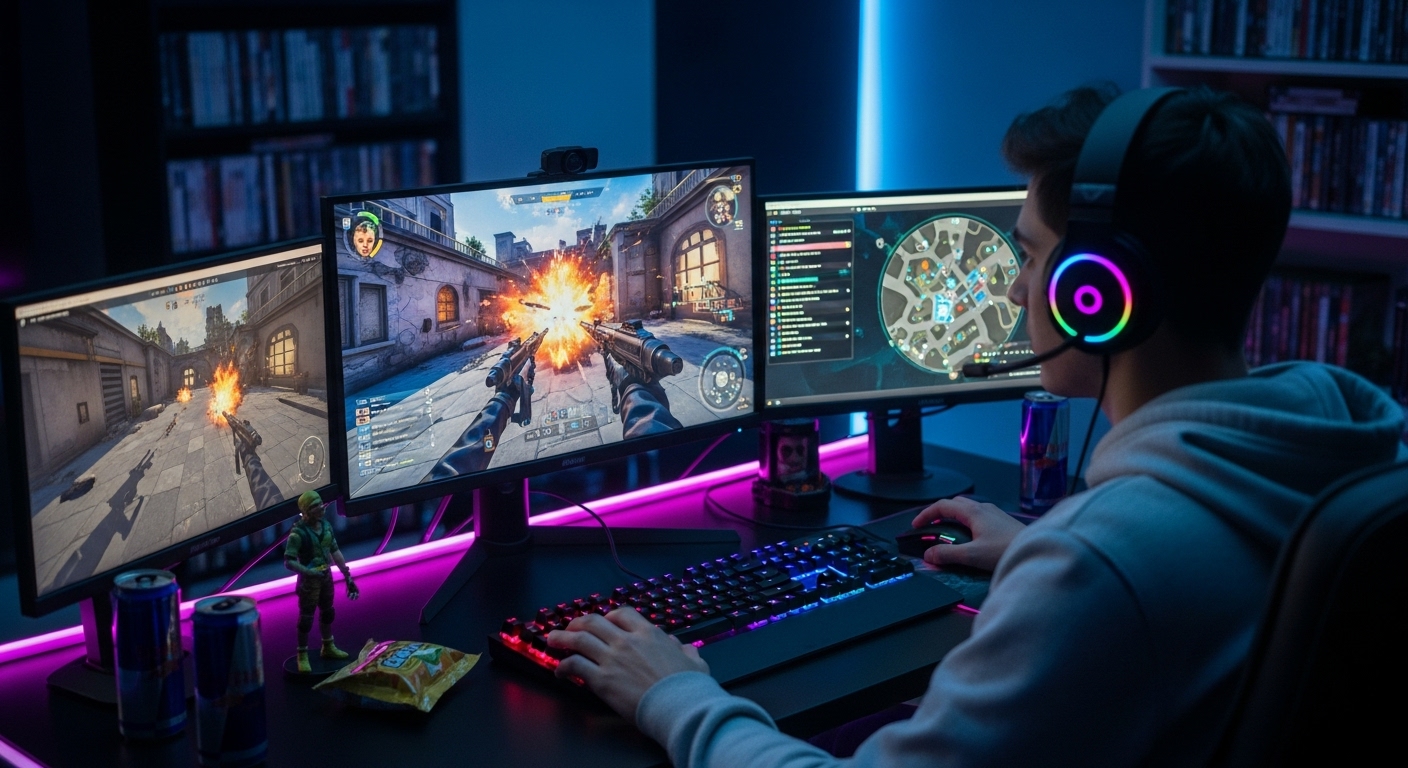
One of the defining features of PC gaming was multiplayer interaction. Local network games and early online competitions allowed players to connect and compete globally. Titles like StarCraft, Counter-Strike, and World of Warcraft not only entertained millions but also built communities that shared knowledge, strategies, and camaraderie. These early online games paved the way for professional esports and competitive gaming culture.
Mobile Gaming: Gaming on the Go
The advent of smartphones and tablets brought gaming to an unprecedented level of accessibility. Mobile games allow players to engage anytime and anywhere, transforming idle moments into immersive gaming experiences. Casual games like Candy Crush, Clash of Clans, and Angry Birds attracted millions of players, while mobile versions of complex games engaged hardcore gamers.
Mobile platforms also introduced new economic models such as freemium games and in-app purchases. These models, while sometimes controversial, have allowed developers to sustain live updates and community events. Mobile gaming has blurred the line between casual and dedicated gamers, making gaming a universal activity across demographics.
Technological Advancements in Gaming
Modern gaming relies heavily on technology to create immersive and engaging experiences. High-performance graphics cards, advanced processors, and VR and AR devices have enabled games with lifelike visuals, realistic physics, and sophisticated artificial intelligence.
Cloud gaming is another transformative innovation. Gamers can now stream high-quality games without investing in expensive hardware, democratizing access to powerful gaming experiences. Additionally, technologies like motion capture, haptic feedback, and 3D audio enhance immersion, making players feel as if they are truly part of the virtual world.
Gaming Communities and Social Engagement
Gaming is not just an individual activity; it is increasingly social. Multiplayer games, online communities, and live streaming platforms foster collaboration, competition, and interaction. Players can team up with friends, join clans, or compete against global opponents, creating strong social bonds and friendships.
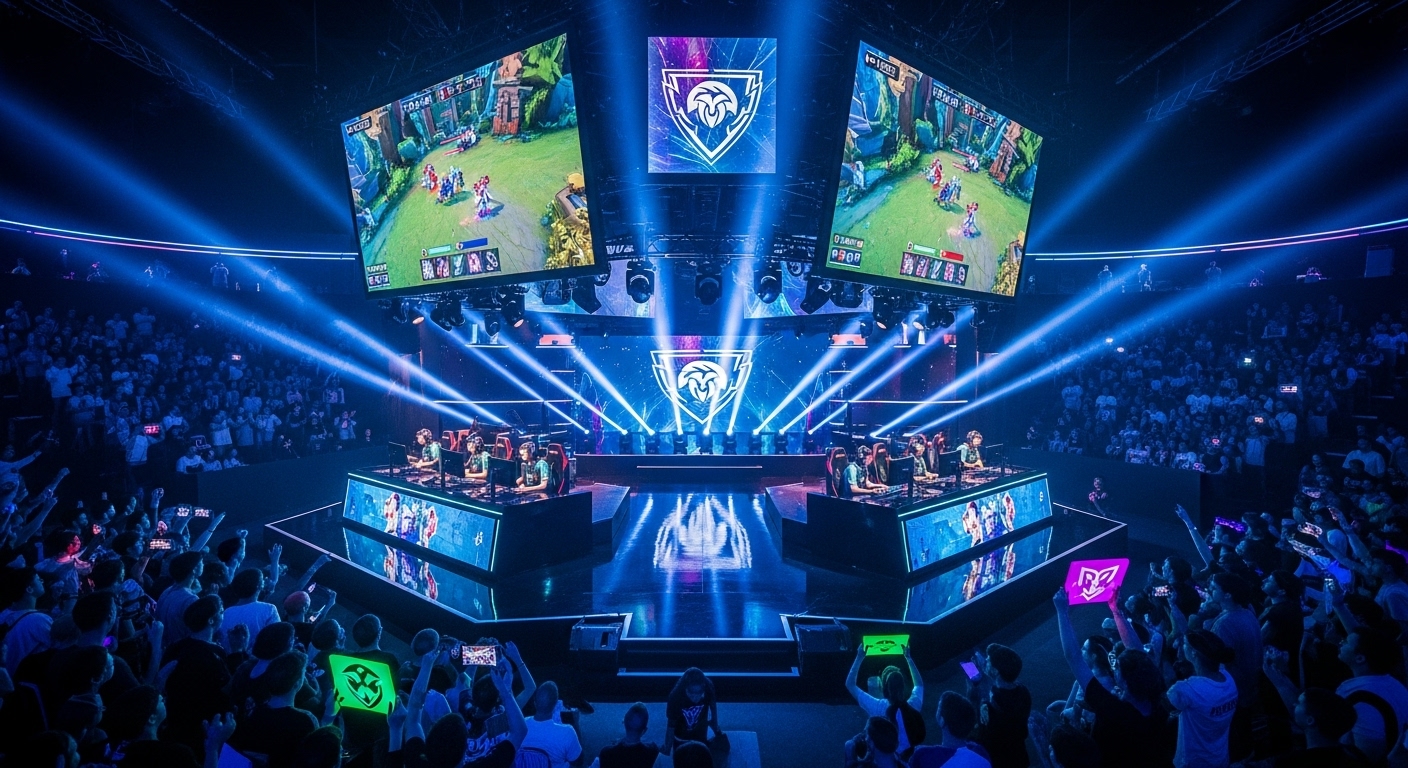
Esports has elevated gaming to a spectator sport. Professional players, leagues, and tournaments draw millions of viewers worldwide. Fans engage with players through streaming platforms, live events, and social media, transforming gaming into a cultural phenomenon. The social dimension of gaming encourages teamwork, strategic thinking, and communication skills, proving that gaming is a communal as well as a recreational activity.
Gaming as an Art Form and Storytelling Medium
Beyond competition and social interaction, gaming has emerged as a powerful platform for storytelling and artistic expression. Narrative-driven games explore complex themes, emotions, and moral dilemmas. Games like The Last of Us, Red Dead Redemption, and Life is Strange demonstrate how interactive storytelling can evoke empathy and provoke thought.
Artistic elements such as music, visual design, and interactive mechanics enhance the emotional impact of games. Unlike passive media, games allow players to make choices that influence the story, creating personalized experiences that are unique to each individual. Gaming has thus evolved into a medium that combines creativity, interactivity, and narrative depth in ways no other medium can.
Challenges in the Gaming Industry
Despite its growth, gaming faces challenges. Issues such as addiction, excessive screen time, and online toxicity are concerns for players, parents, and communities. Developers and platforms are addressing these issues through game design, community moderation, and tools that promote responsible play.
Economic and ethical concerns also exist, particularly around microtransactions, loot boxes, and pay-to-win mechanics. Balancing profitability with fairness and player satisfaction is a complex challenge. Additionally, representation and inclusivity in games remain areas requiring ongoing attention, ensuring that diverse audiences feel welcome and respected.
The Future of Gaming
The future of gaming is filled with exciting possibilities. Virtual reality and augmented reality are likely to become mainstream, offering fully immersive experiences. Artificial intelligence will create smarter, more adaptive game worlds and characters. Cross-platform play and cloud gaming will continue to expand accessibility, allowing more players to connect globally.
The integration of gaming with education, entertainment, and social platforms suggests that games will increasingly influence how people learn, communicate, and spend their leisure time. The line between virtual and physical experiences will continue to blur, creating opportunities for creativity, social engagement, and innovation.
Conclusion: Gaming as a Lifelong Experience
Gaming has evolved from simple arcade machines to a multi-faceted cultural, social, and technological phenomenon. It entertains, educates, and connects people, offering experiences that are both personal and communal. Modern gaming combines artistry, competition, technology, and storytelling in ways that continue to push boundaries.
Whether playing casually, competing professionally, or appreciating the creative aspects of games, gaming has something for everyone. It is more than a pastime—it is a journey, a form of self-expression, and a community that brings people together. As technology and creativity continue to evolve, gaming will remain a vital part of modern life, inspiring, challenging, and connecting generations of players around the world.